
Shaping Tomorrow's Taste
As we are near the end of 2025, we are reminded of the major trends that shaped this past year’s innovations in the food and beverage industry. Looking back on 2025, from the great emphasis on protein to added value messaging on labels, the industry is ever-changing in trends controlled by consumers. However, with the prioritization of wellness and an increasing number of GLP-1 users, there is a strong possibility that many of these “trends” are here to stay.
To help set the tone for the new year and solicit feedback from its audience, IFPC posed the following question to its LinkedIn followers:
“What do you see as the biggest driver of innovation in the food ingredient industry for 2026?”
40% Clean Label & Transparency
33% Functional Ingredients
20% Indulgence & Mood Enhancement
7% Hydration & Convenience
Responses were provided by leaders in manufacturing, quality assurance, R&D, and sales in the food and beverage ingredient space. These responses are just a glimpse at what is to come for 2026, as leaders alike are forecasting clean label and functionality to be driving ingredients.
Top 10 Food and Beverage Trends 2026
To get a better understanding of the driving topics to start 2026, below is a high-level summary of the Top 10 Food and Beverage Trends for 2026, curated by Innova Market Insights. The insightful seminar led by Global SVP of Research and Innova Co-Founder, Lu Ann Williams, offers an exclusive glimpse into the future of the food and beverage industry.
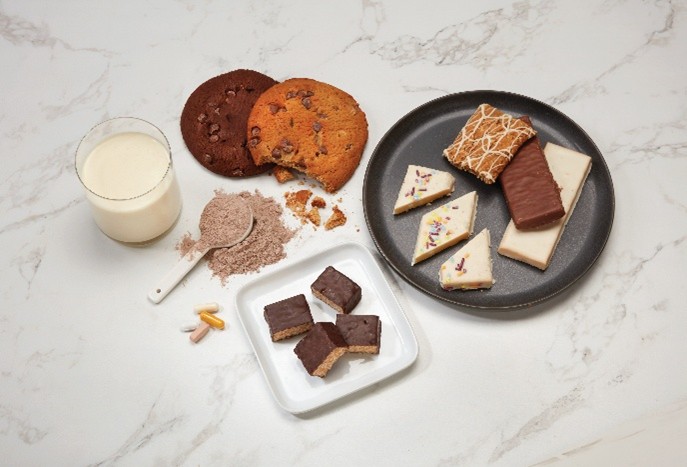
1. Protein Powerhouse
Protein is NOT going away just yet!
Consumers continue to increase their protein intake, with 3 in 5 actively including more protein in their diet to support goals such as sports performance, immunity, weight management, energy, and focus.
2. Gut Health
The gateway to holistic health.
Probiotic forward formats, such as kefir, and gut-health claims are surging, with a 42% increase in new F&B launches. Consumers are linking digestive well-being to immunity, weight, stress, sleep, and overall mental and physical health.
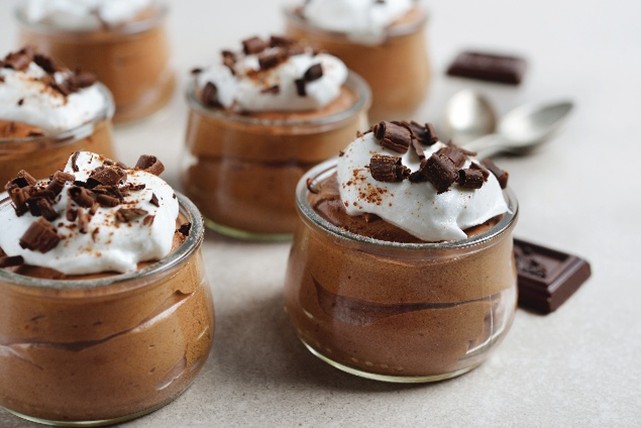
3. Layers of Delight
A personalized experience of indulgence.
Indulgence is evolving into “healthier enjoyment,” as products that deliver comfort, mood elevation, and rich sensory experiences grow, with indulgent claims up 26% and are explicitly featured on packaging.
4. Hydration & Convenience
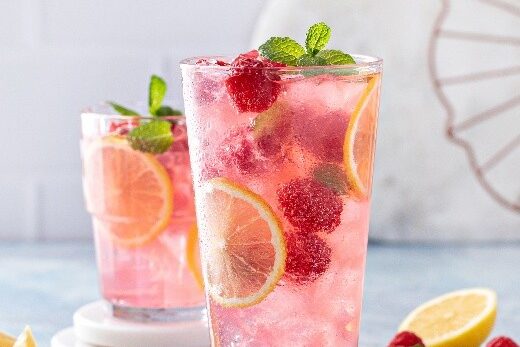
Beverages with purpose.
In a recent global study, 51% of consumers agreed that they increased consumption of beverages because they are “healthy.” Functional beverages continue to grow across dairy-based drinks, juices, and smoothies, with sugar reduction remaining the most-tracked claim in the category.
5. Authentic Plant-Based
From imitation to nutrition.
Brands are moving away from “meat mimicry” and focusing on fiber and whole-food nutrition, as 55% of consumers agree that plant-based products should not be compared to meat.

6. Made for Moments
Diverse eating needs for everyone.
Occasion-based innovation is expanding, with meal solutions tailored to household size—such as frozen meals for one versus family-sized options—and formats designed for specific times of day.
7. Worth Every Bite
Affordability and accessibility is driving consumers.
Value is winning as shoppers seek “bang for your buck,” fueling a 27% growth in private-label products across staples and better-for-you items. There also has been a 7% growth in new F&B launches tracked with a private label.
8. Mind Balance
Mental Health is becoming a priority to young people.
Three in five Gen Zers and Millennials globally agreed that they are very concerned about their mental health. Products are promising natural energy, stress relief, and mood support, while comfort choices like hot beverages help consumers self-soothe during stressful periods.
9. Crafting Tradition
Creating nostalgia through food.
Food heritage, family recipes, and craft techniques are gaining prominence as brands celebrate roots and authenticity through storytelling and formulation. When consumers were asked which values are the most important in diet, 23% stated that maintaining and practicing traditional recipes was the most important.
10. Justified Choices
Sustainability matters to consumers.
Consumers favor brands that support fair trade and community-based operations, demanding transparency and truth in sourcing, claims, and impact. New product development is aligning with consumer-preferred practices such as “support for local farmers or communities, “environmental protection” and “improved product quality or taste.”
Conclusion
This 2026 glimpse entails that food ingredient innovation is constantly evolving, making it challenging to predict future trends. At IFPC, our in-house IT&A team continues to stay up to date on consumer trends and product innovation. Through the Inspired Ingredients program, support with technical product formulation, and comprehensive sensory testing, IFPC is equipped to help elevate your business to the next level.
Ingredients are our business; loyalty is our legacy.
For more information about our products
Sources:
IFPC Ingredients. (2025, November 30). [LinkedIn post]. LinkedIn. https://www.linkedin.com/feed/update/urn:li:activity:7402081782956834817
Innova Market Insights. (2025). Top Food and Beverage Trends 2026. Retrieved from https://www.innovamarketinsights.com/trends/top-food-and-beverage-trends-2026/